Rwanda Youth Music
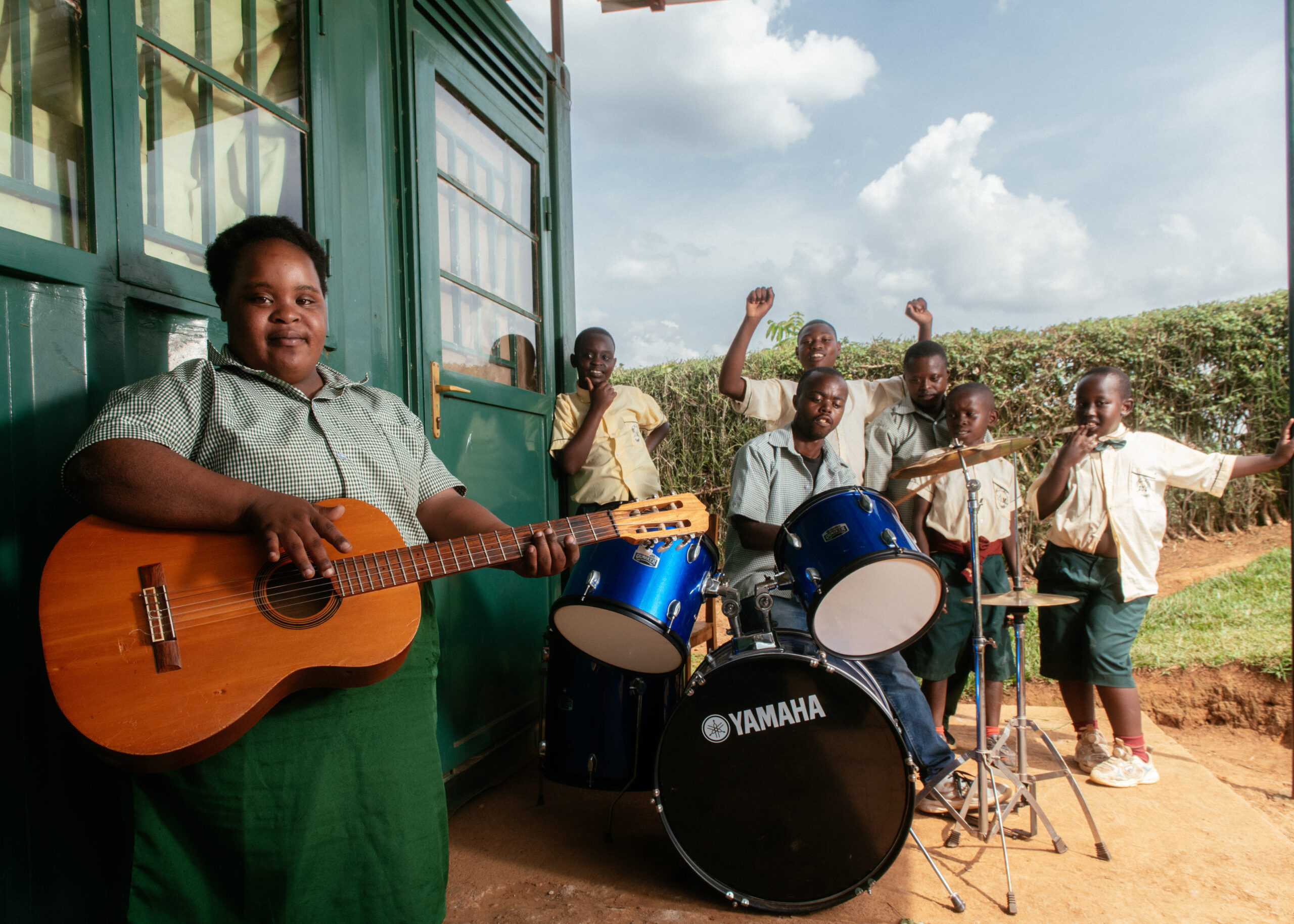
Thirty-two years after the genocide against the Tutsis, the Rwanda Youth Music team continues to combat stigma, prejudice and social isolation through the power of music.
Since 2012, Rwanda Youth Music has worked alongside communities on the margins of society, including refugee camps, neighbourhoods experiencing poverty, young people living with HIV, and children living with disabilities.
Building Community
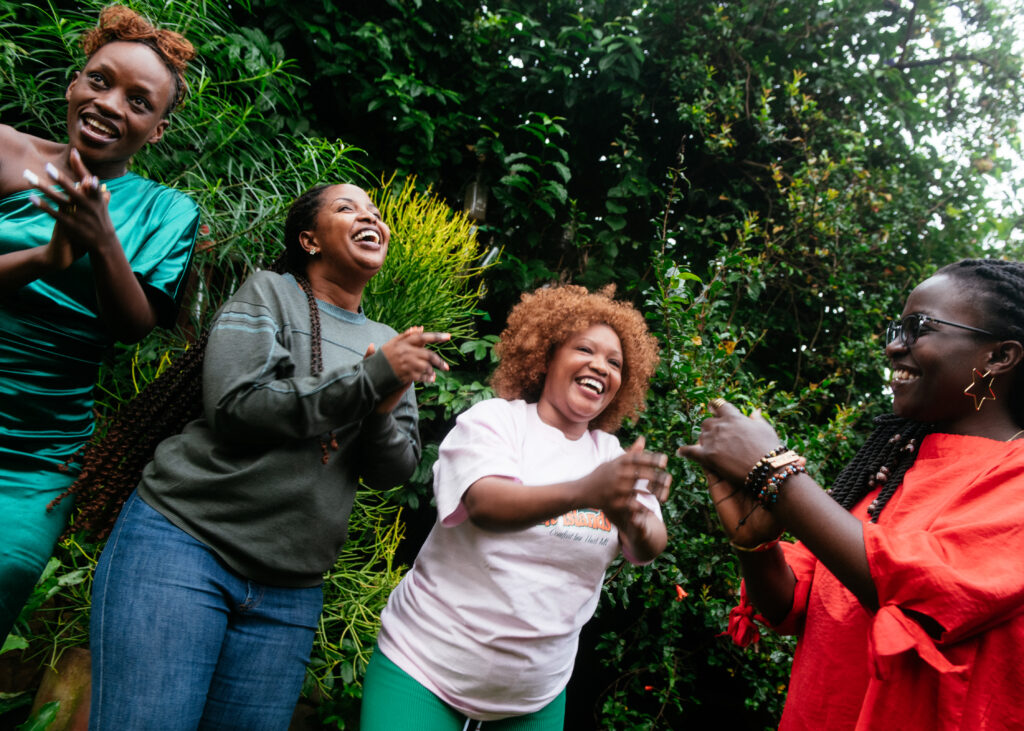
Our music leaders are recruited from the very communities they serve. Trained in music leadership and therapeutic approaches to music, they deliver weekly workshops, lessons and therapeutic sessions with empathy, consistency and care. By investing in young leaders, Rwanda Youth Music creates the long-term infrastructure that strengthens communities from within.
“Many of these children carry heavy emotional burdens, and for the first time, they feel truly heard and understood”
— Love With Actions’ occupational therapist
Mission
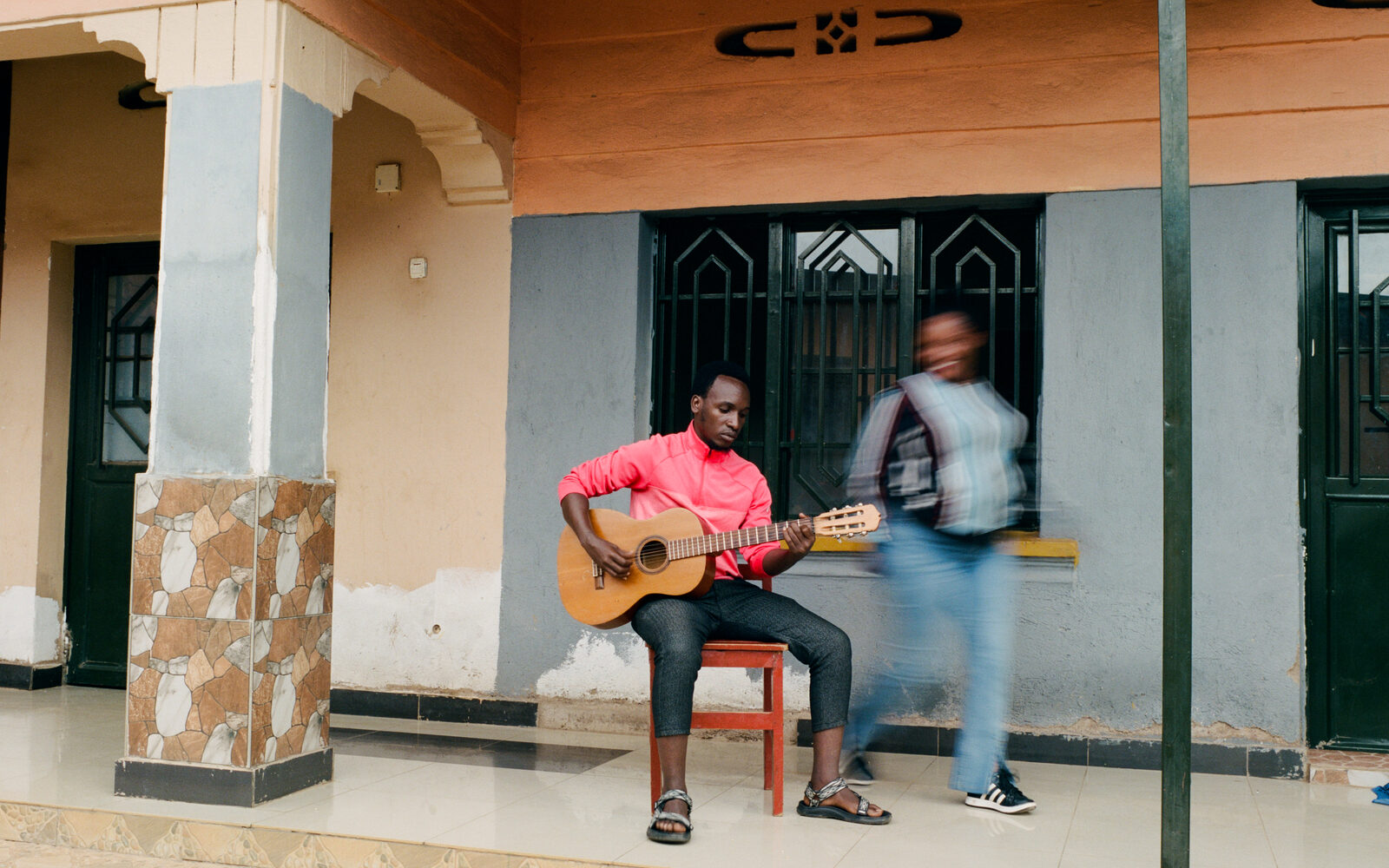
Rwanda Youth Music delivers regular, structured music programs for children and young people facing significant challenges. Current priorities include:
- Music for Health The team delivers regular music sessions to more than 2,000 children and young people living with disabilities or HIV across Kigali and Rwanda’s Eastern Province.
- Building Local Leadership Music leaders and trainers come directly from the communities they support. Through ongoing training and mentorship, they develop the skills to facilitate music programmes, therapeutic sessions and community workshops, ensuring knowledge and leadership remain embedded locally.
- A Regional Hub of Expertise Over more than a decade, Rwanda Youth Music has built one of East Africa’s strongest networks of community music leaders. That expertise now extends beyond Rwanda, supporting the development of programmes in Uganda, Tanzania and the Democratic Republic of Congo, including Kivu Youth Music in North Kivu, where music is helping children to recover from the trauma of war.
Impact stories
stories of change

MUSICAL CHANGE
“In the beginning the children were not particularly enthusiastic about music activities.
However, after some time with your workshops, they really started to enjoy music.
Now, they love it so much that if, for any reason, you are unable to come on a scheduled day, the children feel genuinely sad and disappointed.“
SOCIAL CHANGE
“Most children were quite isolated, they didn’t really want to interact or be with others. But since your program and workshops, you can see that they now want to participate actively and enjoy being with their peers.
This has boosted their self-esteem and helped them feel more valued within the school community.”
STRUCTURAL CHANGE
“The inclusive approach has spilled over into regular classroom teaching, creating a more supportive and understanding environment for everyone.
Overall, the program has brought a real sense of unity and empathy to the school. It’s been incredibly rewarding to watch these changes unfold.“
Support us
People

Chris Nicholson
Regional program manager East Africa
Chris began in the program as a student music therapist, and remained for four years living and working in Kigali, Rwanda. He still oversees the program for Musicians Without Borders, in his role as regional program manager.
Shyaka Allison
Program officer
Shyaka joined the program as a translator, and now works as the link between Musicians Without Borders and our partners in Rwanda.
Uwabamahoro Madina
WE-ACTx for Hope: Music program coordinator
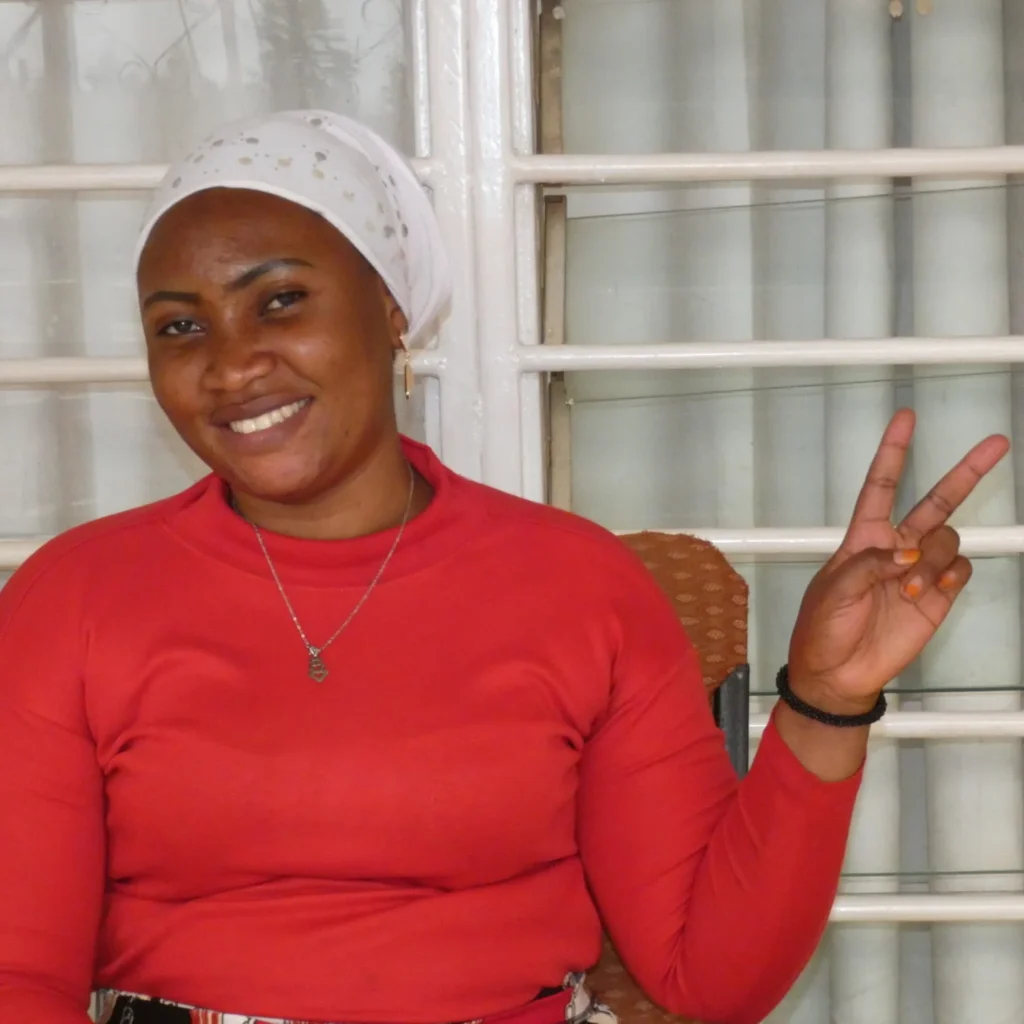
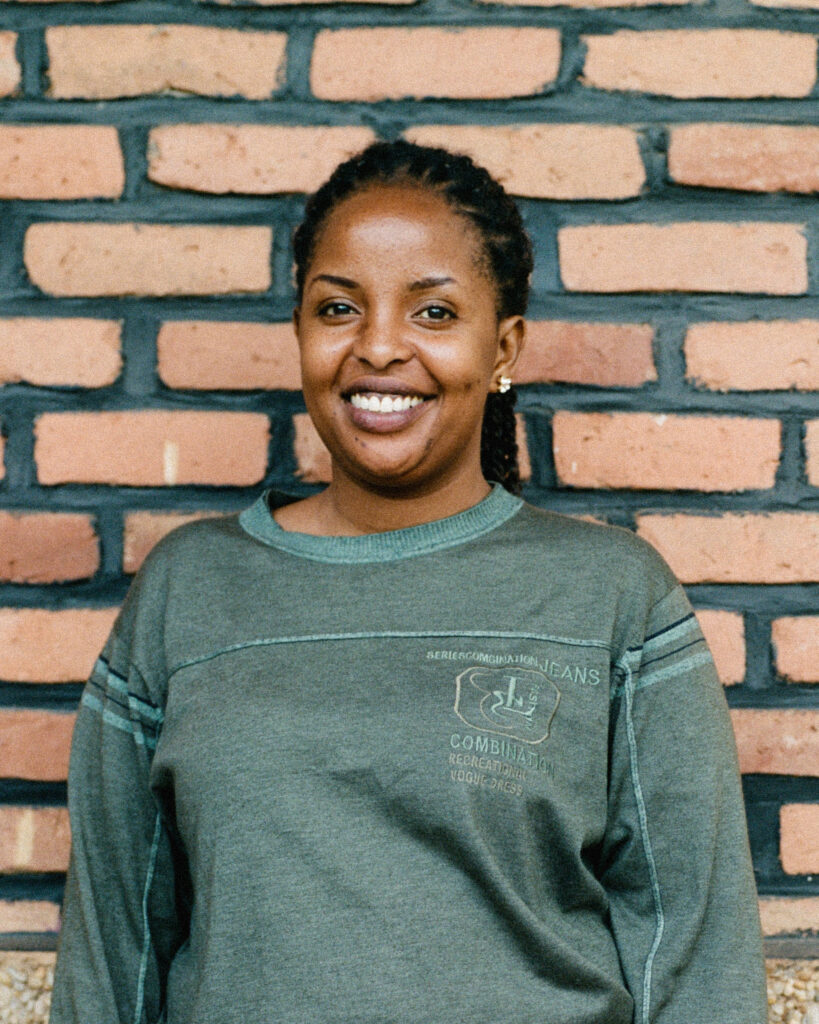
Madina co-leads the day-to-day coordination of music activities for WE- ACTx for Hope.
Uwamariye Emelynne
WE-ACTx for Hope: Music program coordinator
Emelynne co-leads the day-to-day coordination of music activities for WE- ACTx for Hope.
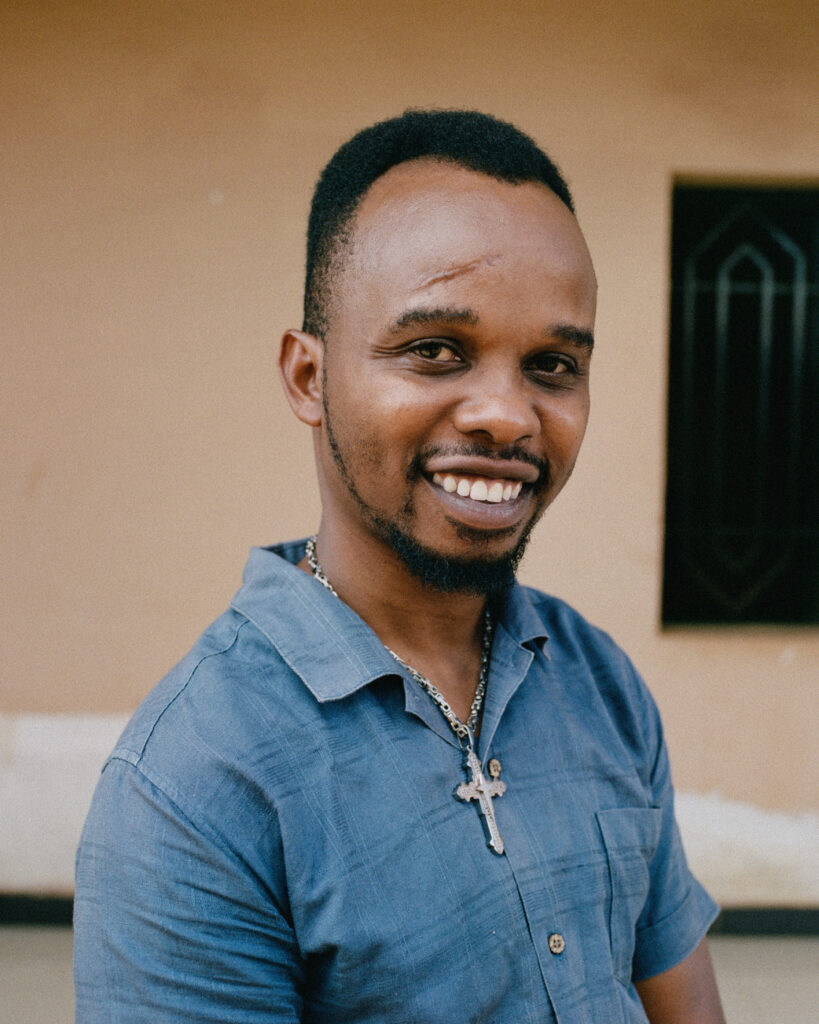
Kana Yves
Music Leadership Trainer
Yves joined the program as guitar teacher in 2012. He has since led training courses in Uganda, Tanzania, Democratic Republic of Congo, Luxembourg, and the Netherlands. Yves is the singer and guitarist in the band Trezor.
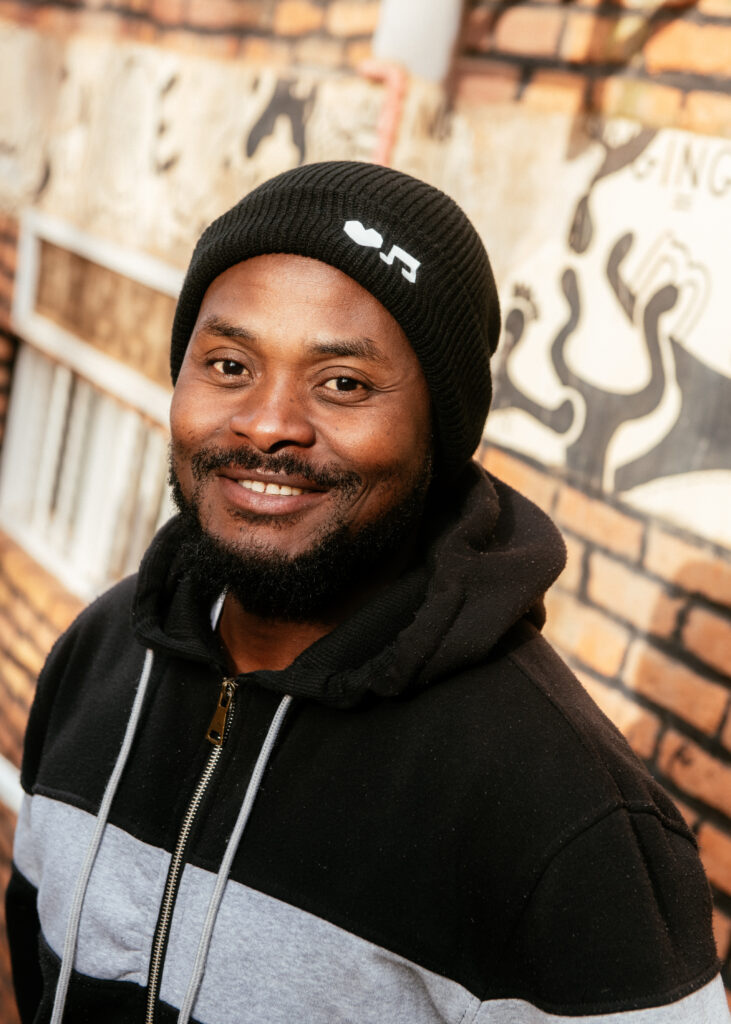
Rukengeza Espoir
Music Leadership Trainer
Espoir joined us to teach vocals in 2013. He has since led training courses in Uganda, Tanzania, Burkina Faso, Luxumbourg, Democratic Republic of Congo, and the Netherlands. Espoir is in demand as a session musician in Kigali.
Usabamhoro Leontine
Music Leadership Trainer
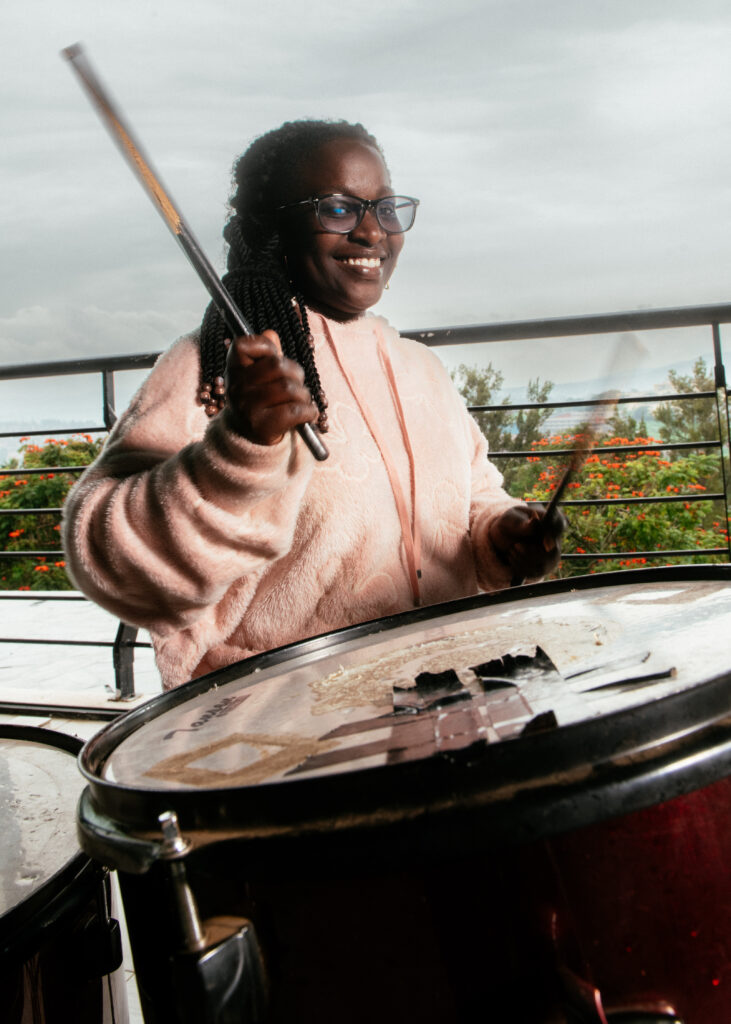
Leontine first joined us as a young music leaders with a passion for learning to drum. She is now our drum teacher and an experienced music leadership trainer with international experience.
Partners